
Air Navigation

Build Precision in Flight Planning & Navigation

Enroll Now

Air Navigation

Build Precision in Flight Planning & Navigation

Enroll Now

Format

Format

Online + Live Interactive Sessions

Online + Live Interactive Sessions

Eligibility

Eligibility

Aspiring CPL & ATPL Students

Aspiring CPL & ATPL Students

Duration

Duration

6–8 Weeks Intensive Training

6–8 Weeks Intensive Training

Deadline

Deadline

Enrollments Open Apply Fast

Enrollments Open Apply Fast

About air navigation

About air navigation

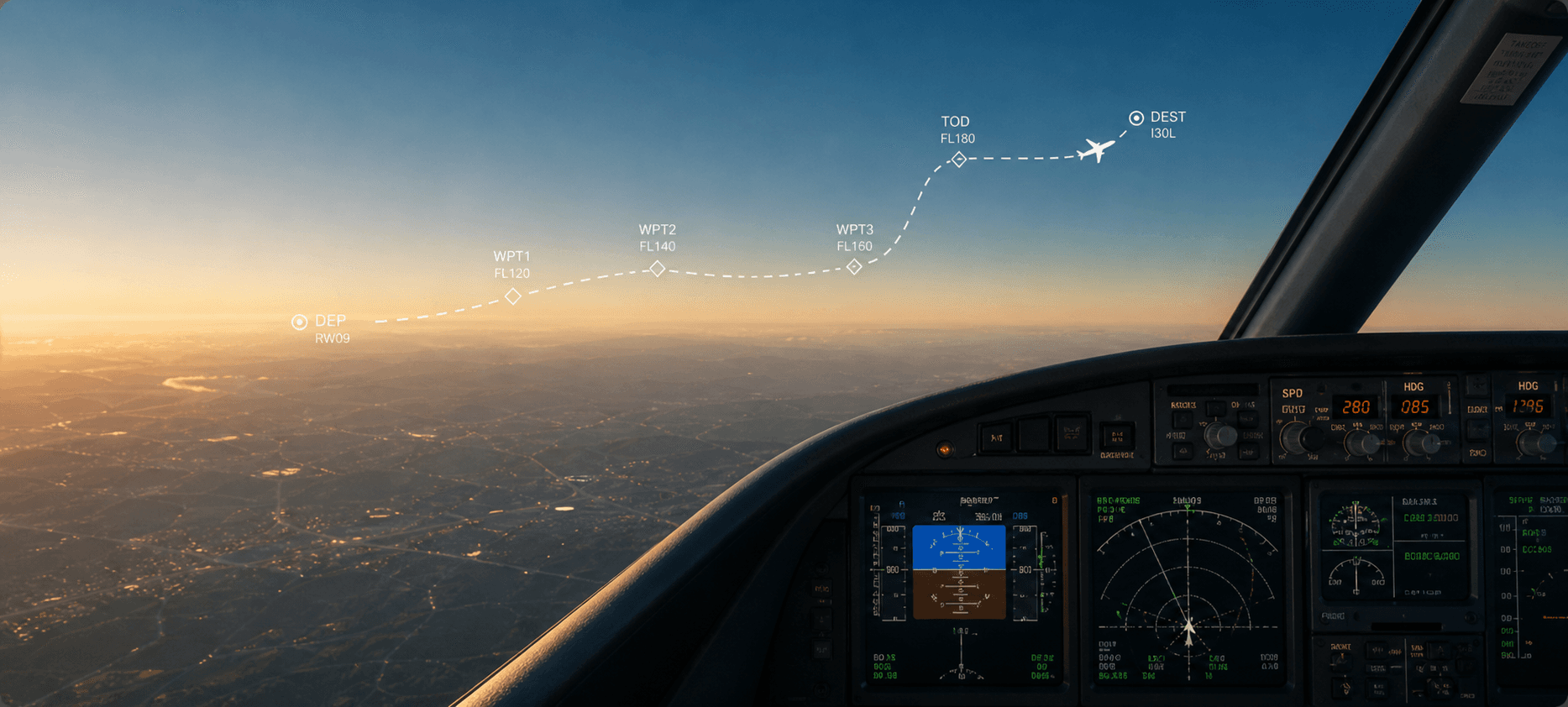
Air Navigation is one of the most technical and calculation-intensive subjects in the DGCA CPL syllabus. It evaluates a pilots ability to accurately plan, monitor, and safely conduct a flight from departure to destination using both theoretical knowledge and practical calculations.

This course is designed to build strong fundamentals in navigation principles, Earth geometry, and flight planning techniques. You will master time, speed, distance, and fuel calculations along with wind triangle concepts, drift correction, and heading adjustments.

A major focus is placed on chart work, including WAC, en-route, terminal, and approach charts, as well as radio navigation systems such as ADF, VOR, DME, and GNSS. DGCA questions in Navigation are highly concept-driven and numerical in nature, requiring clarity and problem-solving ability rather than rote learning.

By the end of the course, you will not only be exam-ready but also capable of applying navigation techniques confidently in real flight operations.

What You’ll Get

This course is built to give you everything required to clear Air Navigation confidently:

Concept-based Video Lectures

Structured Notes (Exam-Focused)

Previous Year Questions (PYQs)

Practice Tests & Mock Exams

Doubt Support

& Guidance

Doubt Support & Guidance

What you’ll learn

Module 01

Navigation Fundamentals

Understand the basic framework of navigation.

• Shape of the Earth and coordinates
• Latitude, longitude, and great circles

• Rhumb lines vs great circle routes

Module 02

Time, Speed & Distance

Master core aviation calculations.

• Time systems (UTC, LMT, IST)
• Speed, distance, time formulas

• Fuel consumption calculations
• Conversion techniques

Module 03

Wind Triangle & Heading

Build strong numerical problem-solving skills.

• Wind triangle concept
• Drift angle and heading correction

• Ground speed calculations
• Vector-based navigation

Module 04

Chart Work

Learn to read and interpret aviation charts.

• WAC charts
• En-route charts
• Terminal charts
• Approach charts

Module 05

Radio Navigation

Understand navigation using radio aids.

• ADF and NDB

• VOR and radial tracking

• DME distance measurement
• GNSS basics

Module 06

Instruments & Compass

Understand navigation instruments and errors.

• Magnetic compass principles
• Compass errors (variation & deviation)
• Gyro instruments basics

Module 07

Flight Planning

Apply navigation concepts to real operations.

• Navigation logs
• Route planning
• Fuel planning

• In-flight monitoring

Sample Question Paper

Sample Question Paper

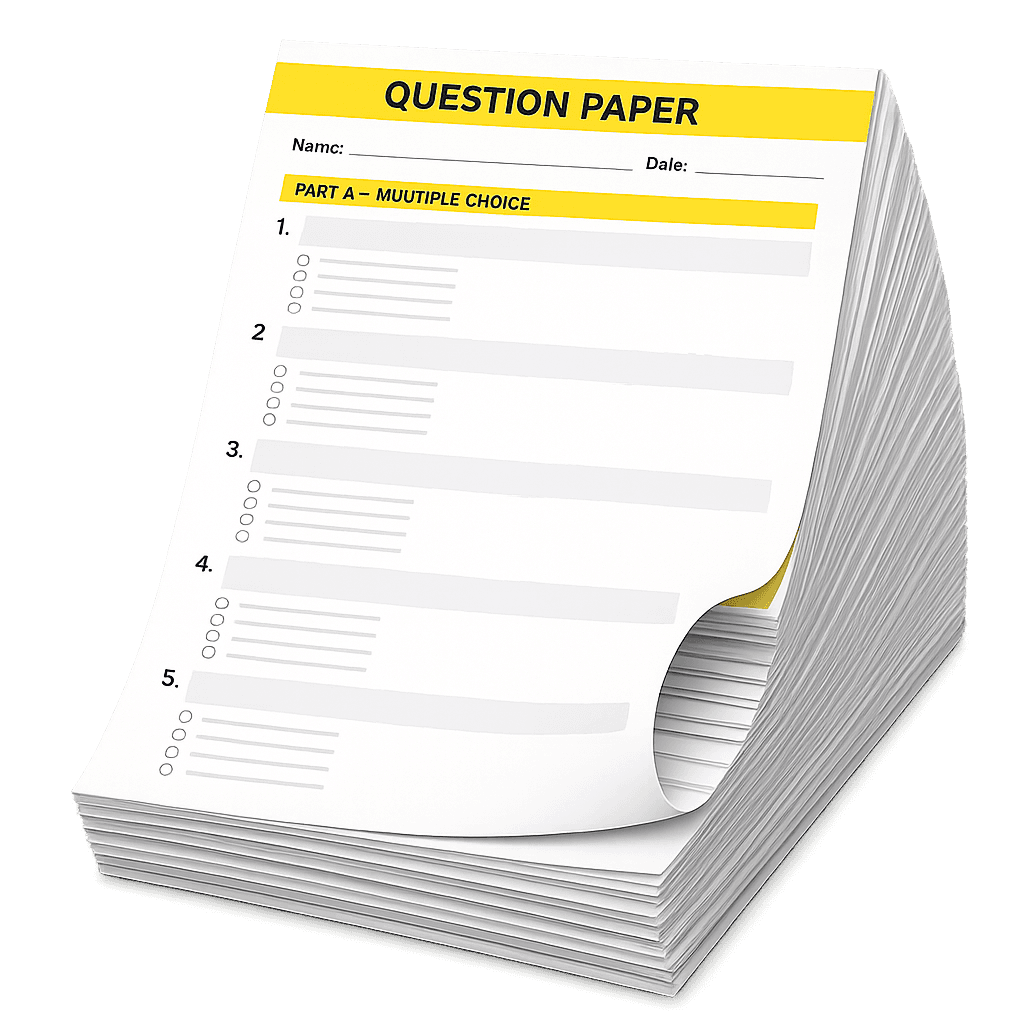
Explore our sample question papers to understand the exam pattern, question types, and difficulty level.

Explore our sample question papers to understand the exam pattern, question types, and difficulty level.

Coming Soon

Want Sample paper ?

Want
Sample paper ?

FAQ’s

Is Air Navigation the toughest DGCA subject?

Air Navigation is often considered the most technical subject because it involves numericals and concepts together. However, with strong fundamentals and the right practice approach, it becomes highly scoring. This course simplifies calculations and builds step-by-step clarity.

Does this course cover all DGCA Navigation topics?

Yes, the course is fully aligned with the DGCA CPL syllabus. It covers everything from basic navigation principles to advanced topics like wind triangle, chart work, radio navigation, and flight planning.

Will I learn how to solve numericals quickly?

Absolutely. The course focuses heavily on solving numericals efficiently, including time-speed-distance, wind triangle, and fuel calculations. You’ll learn shortcuts and techniques to improve speed and accuracy.

Is chart work included in the course?

Yes, detailed chart work is included. You will learn how to read and interpret WAC, en-route, terminal, and approach charts with practical examples.

Are radio navigation topics like VOR and ADF covered?

Yes, the course includes complete coverage of radio navigation systems such as ADF, VOR, DME, and basic GNSS concepts, along with their practical application.

Are previous year questions (PYQs) included?

Yes, PYQs are included with detailed explanations. This helps you understand DGCA question patterns and improves problem-solving confidence.

Is this course more conceptual or calculation-based?

It is a balanced mix of both. The course first builds strong concepts and then focuses on applying them through numericals, which is exactly how DGCA tests Air Navigation.

Will this course help in real flight planning?

Yes. Air Navigation is directly used in real flying. The course teaches practical skills like route planning, fuel calculation, and in-flight monitoring, making it useful beyond exams.

How much practice is required for Air Navigation?

Regular practice is essential. The course includes structured exercises and mock tests to ensure you develop speed, accuracy, and confidence.

Do I need strong math skills for this subject?

You don’t need advanced mathematics. Basic arithmetic and understanding of formulas are sufficient. The course simplifies all calculations and teaches you step by step.

How long does it take to complete the course?

Most students complete it within a few weeks depending on their pace. The modular structure helps you progress efficiently.

What kind of questions does DGCA ask in Air Navigation?

DGCA focuses on concept-driven numericals, especially from wind triangle, time-speed-distance, chart work, and flight planning. This course prepares you specifically for that exam pattern.

Is Air Navigation the toughest DGCA subject?

Does this course cover all DGCA Navigation topics?

Will I learn how to solve numericals quickly?

Is chart work included in the course?

Are radio navigation topics like VOR and ADF covered?

Are previous year questions (PYQs) included?

Is this course more conceptual or calculation-based?

Will this course help in real flight planning?

How much practice is required for Air Navigation?

Do I need strong math skills for this subject?

How long does it take to complete the course?

What kind of questions does DGCA ask in Air Navigation?

Ready to Soar?

Ready to Soar?

Ready to Soar?

Join Our Pilot Training Academy!

Join Our Pilot Training Academy!

Join Our Pilot Training Academy!

Enroll Now

Copyright © 2026 Sierra Aero . All rights reserved.

Copyright © 2026 Sierra Aero . All rights reserved.

Copyright © 2026 Sierra Aero . All rights reserved.

0%
LOADING

1

1